Introduction to Turkey’s Organic Textile Industry
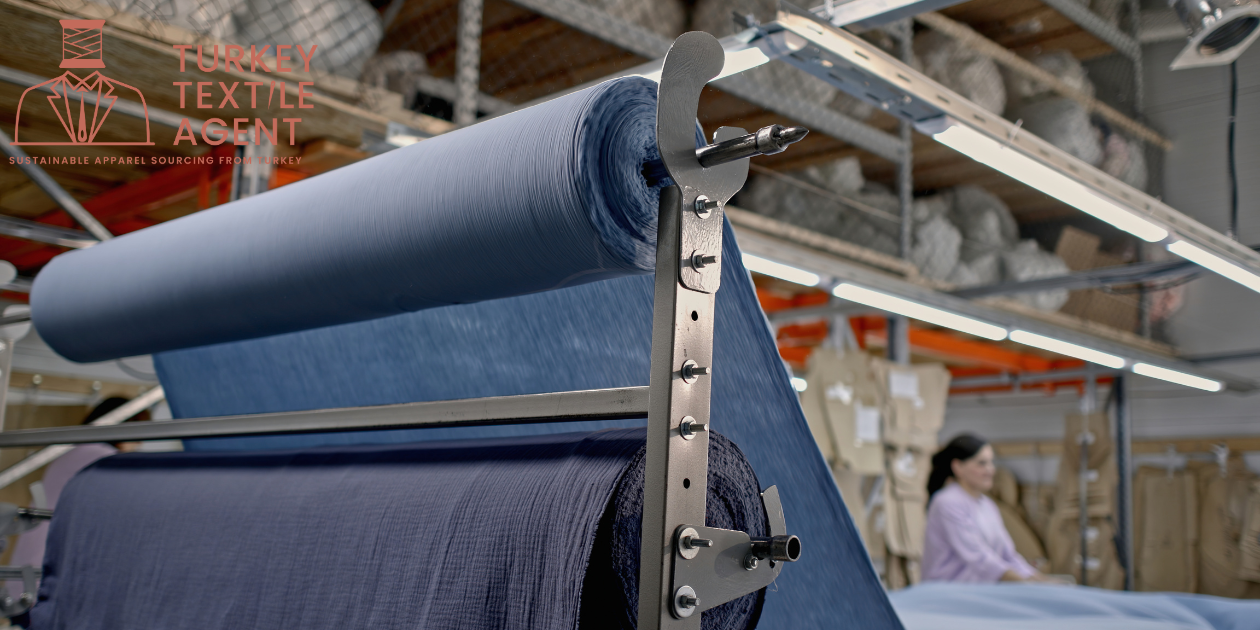
Turkey stands at the forefront of sustainable fashion through its rapidly expanding organic textile industry. As one of the largest cotton producers globally, Turkey leverages its geographic advantage, agricultural expertise, and textile heritage to produce certified organic textiles. The Turkey organic textile industry combines ancient craftsmanship with modern sustainability practices, setting global standards for ethical and eco-conscious production.
Why Turkey Leads in Organic Textile Production
Turkey’s leadership in the organic textile market is rooted in several strategic strengths:
- Geographic proximity to European markets, enabling fast, eco-friendly transportation.
- A strong agricultural base, particularly in Aegean regions where organic cotton thrives.
- Government-backed sustainability programs and international trade agreements.
- An abundance of GOTS (Global Organic Textile Standard) certified manufacturers.
The synergy of natural resources, skilled labor, and sustainable business models makes Turkey a powerhouse in organic fabric and apparel production.
Key Organic Certifications and Standards in Turkey
The Turkey organic textile industry adheres strictly to global standards to ensure credibility and export-readiness. The most relevant certifications include:
- GOTS (Global Organic Textile Standard): Ensures textiles are made from at least 70% certified organic fibers.
- OEKO-TEX® Standard 100: Confirms no harmful substances in textiles.
- EU Organic Certification: Applicable to cotton farming and ginning.
- Textile Exchange Organic Content Standard (OCS): Tracks the use of organically grown materials.
These certifications validate Turkey’s commitment to environmentally friendly production, fair labor practices, and transparency in sourcing.
Regions in Turkey Dominating Organic Textile Manufacturing
Several Turkish regions have become synonymous with high-quality organic textile production:
Aegean Region (İzmir, Denizli)
Home to the highest concentration of organic cotton farms, the Aegean coast supports both raw material cultivation and textile manufacturing. İzmir in particular is a hub for GOTS-certified facilities.
Marmara Region (Istanbul, Bursa)
This region excels in organic apparel production and global exports. Istanbul acts as the headquarters for many Turkish fashion brands prioritizing sustainability.
Southeastern Anatolia (Şanlıurfa, Diyarbakır)
Boasting expansive cotton fields, this area is vital for organic fiber cultivation and supports socio-economic development through eco-friendly farming.
Top Organic Textile and Apparel Exporters in Turkey
The following Turkish companies are recognized internationally for their contribution to sustainable fashion:
- Söktaş Tekstil: Known for premium organic shirting fabrics.
- Orta Anadolu: A leader in sustainable denim made from organic and recycled cotton.
- Kipas Holding: Operates integrated organic textile production with a strong export portfolio.
- Bossa: Specializes in eco-dyed organic fabrics for major fashion labels.
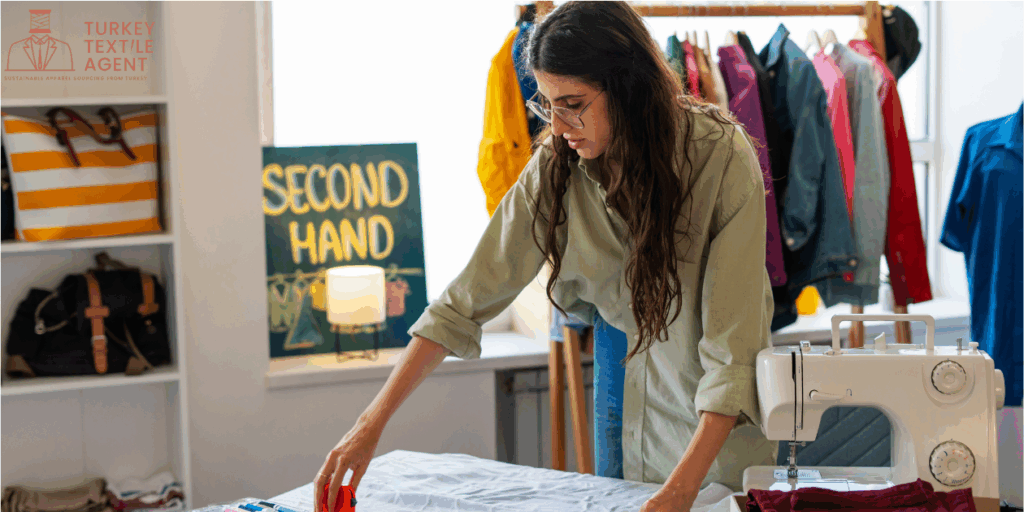
These firms maintain vertical integration, allowing full traceability from farm to final garment, a key demand in today’s ethical fashion landscape.
Sustainable Fashion Trends Influencing Turkey’s Market
The rise of conscious consumerism globally has shaped key trends within the Turkey organic textile industry:
- Slow Fashion Movement: Turkish brands now focus on quality over quantity, promoting long-lasting clothing.
- Circular Economy Practices: Increased emphasis on recyclability, upcycling, and reduced waste in production.
- Eco-Friendly Dyes and Washing Techniques: Adoption of natural dyeing processes and low-water wash cycles.
- Biodegradable Packaging: Exporters are shifting to compostable and recyclable packaging solutions.
Technology and Innovation in Turkey’s Organic Textile Sector
Technology is transforming the organic textile landscape in Turkey:
- Blockchain for Transparency: Ensures traceability from farm to garment.
- AI and IoT in Textile Mills: Enhances energy efficiency and quality control.
- 3D Textile Design Tools: Reduces sampling waste and production time.
- Waterless Dyeing Machines: Save up to 90% of water during the coloring process.
These innovations are not only improving sustainability but also increasing Turkey’s competitiveness in the global eco-fashion market.
Challenges Facing the Turkish Organic Textile Industry
Despite strong growth, several challenges remain:
- Rising Costs of Organic Certification: Especially for small-scale farmers and cooperatives.
- Competition from Fast Fashion: Lower-cost conventional textiles continue to dominate some markets.
- Limited Domestic Demand: Sustainable fashion remains underrepresented in the local Turkish market compared to export-driven growth.
- Climate Change Impacts: Water scarcity and rising temperatures threaten organic cotton yields.
Government incentives and international partnerships will be crucial in overcoming these challenges and sustaining growth.
Turkey’s Role in Global Sustainable Fashion
Turkey serves as a strategic partner in the global transition toward sustainable and ethical fashion. Major global brands sourcing from Turkey include:
- H&M: Collaborates with Turkish suppliers for their Conscious Collection.
- Inditex Group (ZARA): Sources organic cotton products from Turkey under GOTS certification.
- Patagonia and Stella McCartney: Partner with Turkish manufacturers for low-impact textile innovations.
Turkey’s ethical labor practices, compliance with EU standards, and vertical integration models make it a preferred sourcing destination.
Future Outlook and Growth Projections
The Turkey organic textile industry is projected to grow by over 10% annually in the next five years, driven by:
- Expansion of certified organic cotton farming areas
- Government support through sustainability grants and green tax benefits
- Rising global demand for eco-labels and sustainable materials
- Strategic investments from international fashion conglomerates
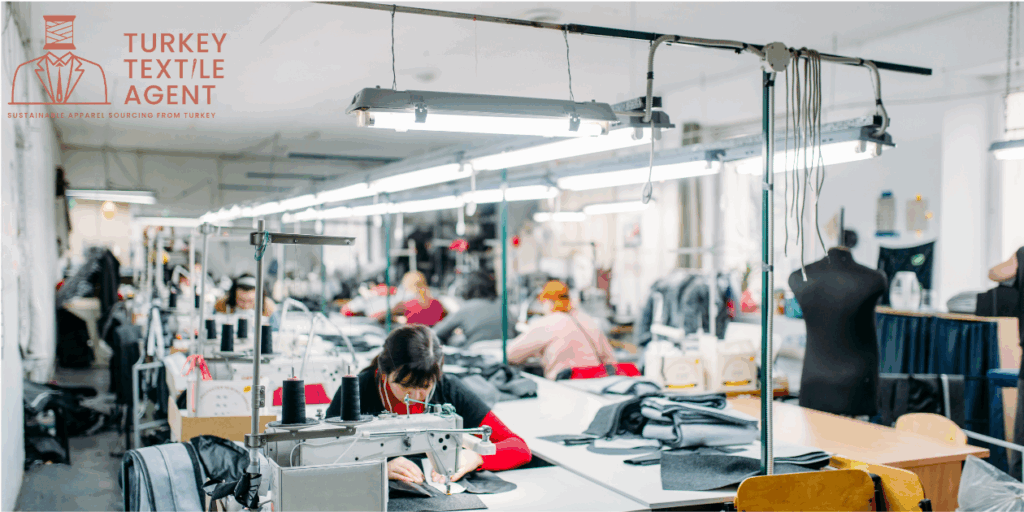
Moreover, with ESG (Environmental, Social, and Governance) frameworks becoming more crucial in fashion, Turkey is well-positioned to lead innovation and compliance in sustainable apparel production.
Conclusion
The Turkey organic textile industry stands as a beacon of sustainable transformation in the fashion world. Through its fusion of traditional excellence and modern eco-technologies, Turkey not only meets global standards but actively sets them. With robust infrastructure, committed producers, and a clear vision for sustainability, Turkey is poised to remain a cornerstone of ethical textile and apparel production for decades to come.